
Slips, Trips and Falls Detection
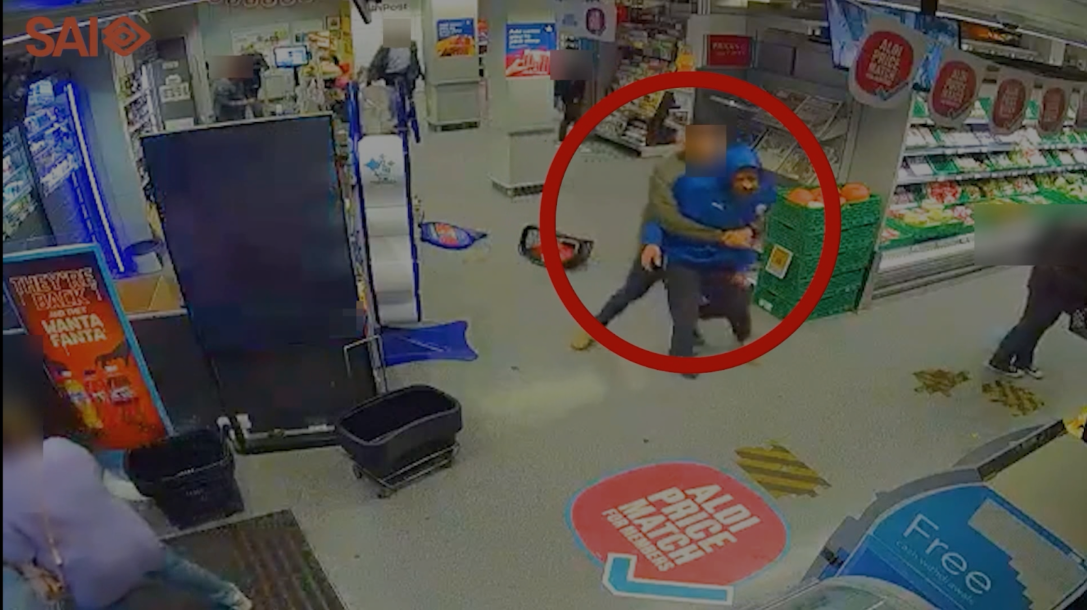
Violence Alert
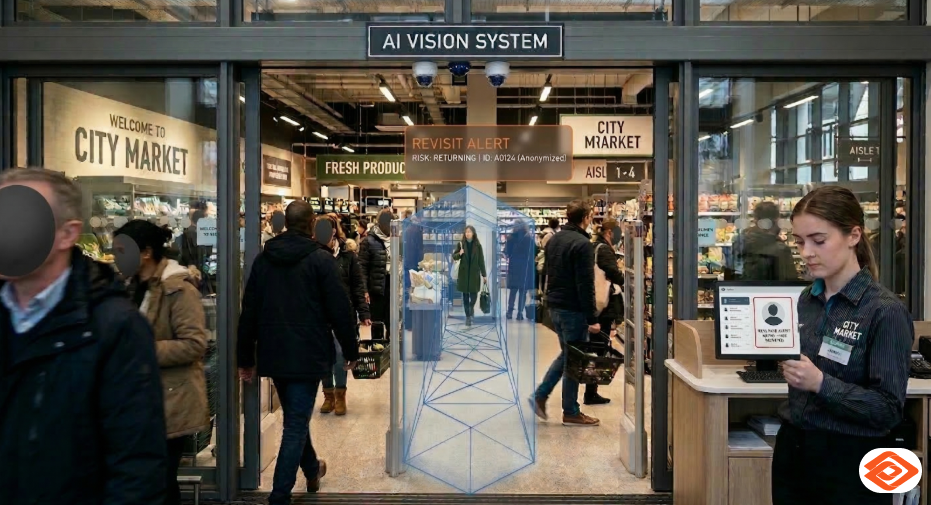
Revisit Alert
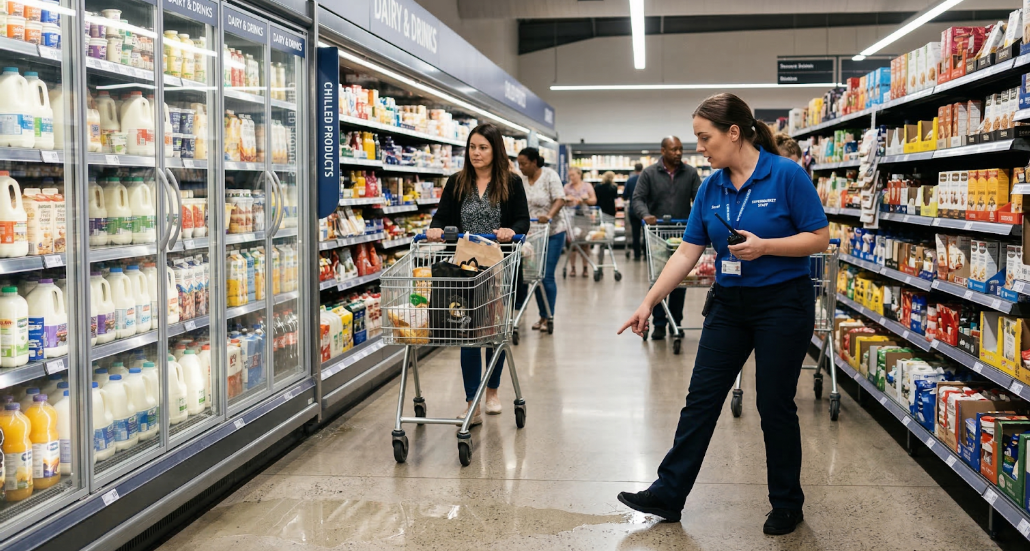
Slips, Trips and Falls Detection
Detect hazards. Alert teams. Keep your store safe.
Slips, trips and falls can start with something as simple as a spill, fallen item or obstruction in an aisle. SAI One, the patented VLM (Vision Language Model) platform from SAI for multi-industry use cases, uses existing CCTV to provide continuous floor hazard detection across retail stores and similar operational sites.
Its feature of AI spill detection for retail identifies potential hazards and assesses them according to their type, location and surrounding context. When a risk requires attention, SAI One sends real-time spill alerts with visual evidence, helping teams understand what has happened and where. Teams can respond, resolve the hazard and verify that the area has been made safe.
Real-time detection. Context-aware alerting. Visual evidence. Verified resolution.
Detailed View
See hazards as they appear. Act before they become incidents.
Traditional safety checks depend on colleagues walking the store, spotting hazards and reporting them. A spill or obstruction can appear minutes after an inspection, remain unnoticed until the next check and escalate before anyone has an opportunity to respond.
SAI One provides continuous visual monitoring across the store. Its VLM supports floor hazard detection by identifying liquid spills, physical obstructions, fallen items, misplaced equipment, blocked walkways and other potential slip and trip hazards through existing cameras.
The platform can recognise clear and coloured liquids, using visual cues such as reflections, surface changes, texture and colour contrast. This CCTV spill detection capability helps identify potential risks that may be difficult to spot during routine assessments.
Not every object represents the same level of risk. A replenishment cage in a frozen aisle may create a slip or trip risk, while the same cage in an area where replenishment equipment is expected may not require an alert. SAI One applies this operational context when deciding when an alert should be raised.
When a hazard is detected, SAI One can:
- •Identify and classify the hazard
- •Assess its location and operating context
- •Apply the relevant business rules
- •Raise an alert based on the level of risk
- •Provide supporting camera evidence
- •Track the incident through resolution
- •Verify the condition after corrective action
This means store teams can focus on the hazards that need attention, when they need attention, rather than relying on periodic manual checks.
Why the Slips, Trips and Falls Feature Is Important for Retail Stores
Retail stores are constantly changing. Customers move through aisles, products are replenished, packaging is opened, equipment is moved and spills can occur at any time.
From liquid spills and fallen products to refrigerator leaks, misplaced equipment and obstructed walkways, hazards can develop across the store between routine inspections. Continuous monitoring helps identify these conditions before they go unnoticed for too long.
A hazard that goes unnoticed can affect customer safety, colleague safety and store operations.
Incidents related to slips, trips and falls can lead to:
- •Customer and colleague injuries
- •Legal claims and financial liability
- •Store downtime and operational disruption
- •Damage to brand reputation and customer trust
SAI One keeps monitoring 24/7 through existing cameras, identifying potential hazards and alerting teams within seconds when required. This AI spill detection for retail approach helps retailers identify risks earlier and respond before a hazard escalates into a more serious incident.
The result is a more proactive approach to store safety, with incidents supported by visual evidence and a record of what happened.
How the Slips, Trips and Falls Feature Works with CCTV Spill Detection
Detection of Liquid Spills and Walkway Obstructions
SAI One continuously monitors relevant camera views for potential slip and trip hazards. Its CCTV spill detection capability works alongside physical hazard detection to give retailers a clearer view of conditions that require attention.
The system can detect:
- •Clear liquids, including water and transparent spills
- •Coloured liquids, including juices, sauces and oils
- •Powder and granular spills
- •Fallen products and packaging
- •Misplaced equipment
- •Replenishment cages, carts and other equipment
- •Obstructions in walkways
- •Other physical conditions that may create a safety risk
- •Visible slip, trip and fall events involving people
The VLM analyses visual cues such as reflections, surface texture, changes in appearance and colour contrast to identify hazards that may otherwise be difficult to spot.
When a potential hazard is detected, SAI One records the relevant incident information with visual evidence and guides the right team towards the next best action.
Hazard-Specific Treatment with Real-Time Spill Alerts
Not every hazard should trigger the same response.
SAI One assesses hazards according to factors such as:
- •Hazard type
- •Location
- •Size and extent
- •Level of risk
- •Traffic and activity in the area
- •Expected operating conditions
- •Store-specific business rules
For example, a clear liquid spill in a busy customer area can require an immediate response. A replenishment cage may require different treatment depending on the aisle and whether the equipment is expected in that location.
The platform can apply different alert behaviour to different hazard types and operating conditions. These real-time spill alerts help teams prioritise higher-risk situations without treating every visual change in the store as an incident.
Business Rules Association in Retail Store Safety Software
Retailers can configure business rules around how different hazards should be treated. As part of an AI store safety solution, SAI One can apply these rules to the specific requirements of each store.
These rules can determine:
- •When an alert should be raised
- •How quickly an alert should be escalated
- •Which hazards require immediate attention
- •Which lower-risk conditions can have a configured delay
- •How alerts should behave in different aisles or departments
- •Which colleagues or teams should receive the alert
- •How expected activities and equipment are treated in different store areas
For example, a retailer could configure near-immediate alerts for high-risk liquid spills in high-traffic areas, while allowing a longer response window for selected lower-risk conditions.
This gives retailers control over how SAI One responds to the safety requirements of each store, with alert rules that reflect local layouts and operating practices.
Context-Aware Alerting for Grocery Store Spill Detection
A spill detection system needs to recognise more than a change in the camera view. It needs to assess what is happening in that location and whether the situation requires action.
For grocery store spill detection, this can mean treating a replenishment cage in a frozen aisle differently from the same equipment in an aisle where it is expected as part of normal activity.
SAI One uses visual context and configured business rules to determine how different conditions should be handled. This helps retailers focus on actionable hazards and reduce unnecessary alerts during routine store operations.
The result is more relevant alerting, with teams able to prioritise the risks that need their attention.
From Detection to Resolution
Detection is only the first step.
SAI One connects hazard detection with the actions that follow, giving teams a clear view of the incident from the first alert through to resolution.
1. Detect
Vision AI identifies a potential slip, trip or fall hazard through the existing CCTV network.
2. Assess
The platform identifies the hazard type, location and surrounding context, then applies the relevant business rules.
3. Alert
The appropriate team receives a real-time alert when action is required, supported by visual evidence of the incident.
4. Respond
The store team can locate the hazard, take corrective action and make the area safe.
5. Record and Verify
Record the response and resolution status. Where supported, SAI One can check the area after corrective action and compare the condition with the original evidence. Unresolved alerts can be escalated according to configured rules.
FAQ: AI Store Safety Solution
Yes. SAI One can detect clear liquids such as water, alongside coloured liquids including juices, sauces and oils. Its VLM analyses visual characteristics such as reflections, surface changes, texture and colour contrast to identify potential spills.
A supermarket can use Vision AI-powered CCTV monitoring to identify potential spills and other floor hazards without relying solely on routine manual inspections. SAI One monitors existing camera views, applies configured rules to detected conditions and sends alerts with supporting visual evidence when action is needed.
SAI One uses existing CCTV feeds to identify potential wet-floor hazards through visual cues such as reflections, texture and changes in surface appearance. It assesses the detected condition against configured rules and sends an alert when the hazard requires attention.
Yes. The platform can identify physical hazards such as fallen products, packaging, misplaced equipment, replenishment cages and other obstructions that may create slip or trip risks.
Yes. Alert behaviour can be configured according to hazard type, location and operating conditions. Higher-risk hazards can trigger near-immediate alerts, while selected lower-risk conditions can have configured delays.
SAI One considers the operational context around a detected object. For example, a replenishment cage in a frozen aisle can be treated differently from the same equipment in another aisle where it is expected as part of normal activity.
Yes. SAI One is designed to use existing CCTV infrastructure, turning camera feeds into continuous intelligence across the store. This supports CCTV spill detection without requiring retailers to replace their entire camera network.
Yes. SAI One provides supporting camera evidence for detected incidents. The dashboard can show the incident time, duration, confidence, status and video evidence, alongside an AI summary of what happened and where.
Yes. SAI One can be configured for different store environments, layouts, departments and operating conditions. Hazard detection and alerting rules can be adapted to the way each site or environment operates.
Retailers can support slip and fall claims reduction by identifying hazards earlier, responding promptly, documenting incidents and verifying corrective action. SAI One supports these activities through continuous monitoring, real-time alerts and visual evidence. The actual effect on claims depends on incident outcomes and should be measured using customer data.
Yes. SAI One can compare the detected condition with the condition after corrective action, helping teams verify that the area has been made safe and retain a record of the resolution.